


ADMIRAL HAROLD R. STARK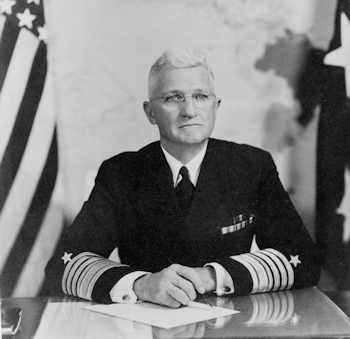 |
The USS Stark (FFG-31) was named in honor of Admiral Harold Rainsford Stark, born in Wilkes-Barre, PA, on 12 November 1880. He entered the US Naval Academy at Annapolis, MD, in 1899. He graduated on
2 February 1903, and went to sea for the two years of service, then required by law, before commissioning. During those two years, Stark served aboard the
USS Gloucester After graduation, Stark was a plankowner on the
USS Minnesota Stark completed instruction with the Reserve Torpedo Flotilla at Charleston in the spring of 1909, and successively commanded the
USS Porter Shortly after the United States entered the war, he assumed command of Torpedo Flotilla, Asiatic Fleet, aboard the
USS Monterey Stark received the Navy Distinguished Service Medal for his “exceptionally meritorious service during the World War, in a duty of great responsibility as Commander of a Squadron of small and old destroyers hurriedly fitted out in the Philippines and dispatched to the Mediterranean at a season when the southwest monsoon was at its height. The trip was successfully made under Commander Stark’s efficient leadership in spite of many difficulties, in a time much shorter than had been considered possible, and the Squadron arrived in the Mediterranean in excellent condition in time to take an active and efficient part in the antisubmarine campaign there, and in the Atlantic…” After the war, Stark served successively as the Executive Officer of the
USS North Dakota 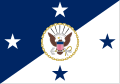 For the next three years, Stark served as an aide to Secretaries of the Navy Charles F. Adams and Claude A. Swanson. In 1933,
he went back to sea as the Commanding officer of the
USS West Virginia The Admiral helped prepare the Navy to fight a two-ocean war. He directed RADM Alfred W. Johnson, Commander, Atlantic Squadron, to maintain an offshore patrol to report “in confidential system” the movements of all foreign men-of-war approaching or leaving the east coast of the United States and approaching and entering or leaving the Caribbean. Stark sent a memorandum to President Franklin D. Roosevelt on 2 June 1940, that addressed options concerning the situation in South America. He asked for funds to construct the “Two-Ocean Navy.” Roosevelt conferred with Secretary of the Navy Frank Knox, Secretary of War Henry L. Stimson, and Secretary of State Cordell Hull on 27 August concerning a compromise to resolve the impasse that rose over the proposed destroyers-for-bases agreement with the British. Subsequently, Roosevelt met with Stark, Knox, Hull, and British Ambassador Lord Lothian (Philip H. Kerr, 11th Marquess of Lothian); and they reviewed the proposal arrived at earlier that day. Stark certified that the destroyers involved were no longer essential to the defense of the United States, thus clearing the way for their transfer. This “Destroyers for Bases” agreement aided the British against German U-boats, and provided the U.S. with a chain of bases in the Atlantic. Allied intelligence analysts continued to accumulate evidence of likely Japanese moves and Stark sent a “war warning” message to commanders of the Pacific and Asiatic Fleets on 27 November 1941, a day after Dai-ichi Kidō Butai (the Japanese 1st Mobile Striking Force) sailed from Japanese waters to attack Oahu in the Hawaiian Islands. Gen. George C. Marshall, USA, Army Chief of Staff, sent a similar message to his Hawaiian and Philippine Department commanders. Despite these warnings and other preparations, the Japanese struck multiple Allied bastions across the Pacific on 7 and 8 December 1941. Stark led the Navy through the beginning of the Axis onslaught against the United States, until ADM Ernest J. King relieved him on 26 March 1942. Following his tour as CNO, Stark assumed command of US Naval Forces, Europe, on 30 April 1942. On 1 October 1943, the naval forces under his command became the Twelfth Fleet, which he led until 15 August 1945. The admiral proved instrumental in forging the convoys and antisubmarine measures that defeated German U-boats and bridged the Atlantic, and in overseeing US naval participation in the D-Day invasion of Normandy on 6 June 1944. GEN Dwight D. Eisenhower personally presented the Army Distinguished Service Medal to Stark for “rendering brilliant and distinguished service,” not only as a naval administrator, but as a skilled diplomatic emissary during the often tense relations between the Allied leaders. Stark retired with the rank of admiral on 1 April 1946. Stark received the Gold Star in lieu of a second Distinguished Service Medal (for his tenure as CNO); the Army Distinguished Service Medal (for his command of naval forces in European waters); Mexican Campaign Medal; Navy Expeditionary Medal; WWI Victory Medal; Destroyer Clasp (World War I); American Defense Service Medal; American Campaign Medal; European-African-Middle Eastern Campaign Medal; and the World War II Victory Medal. His international awards include Officer of the Order of the Crown of Italy; British Honorary Knight Grand Cross of the Military Division of the Order of the British Empire; French Legion of Honor, rank of Commodore; French Croix de Guerre with Palm; Brazilian Grand Master of the National Order of the Southern Cross; Norwegian Order of St. Olaf; Polish Chevalier of the Order of Polonia Restitute, First Class; Dutch Knight Grand Cross of the Order of Orange-Nassau with Swords; Belgian Grand Officer of the Order of Leopold; and Belgian Croix de Guerre with Palm. Stark died of a heart attack on 20 August 1972, and following a funeral service at Fort Myer Old Post Chapel three days later, was interred alongside his wife at Arlington National Cemetery, VA. |
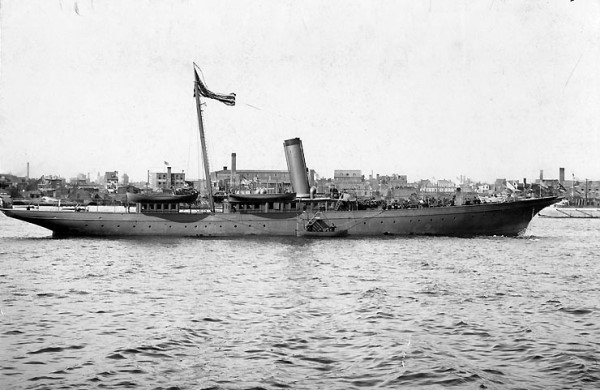 , a yacht conversion in 1903. In 1904, he served aboard the
USS Newark
, a yacht conversion in 1903. In 1904, he served aboard the
USS Newark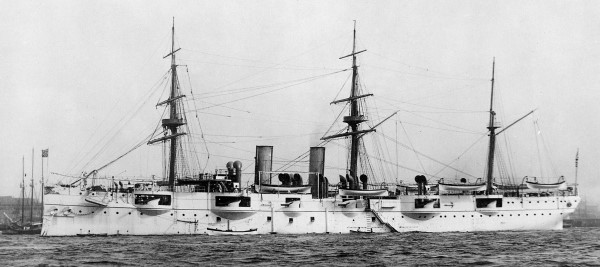 (C-1)
(C-1)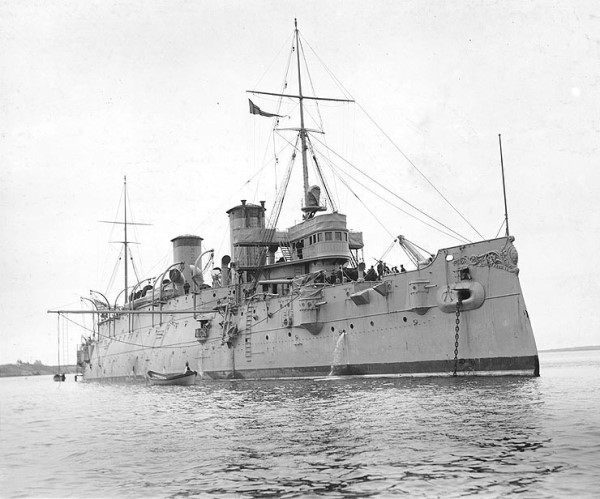 (C-13)
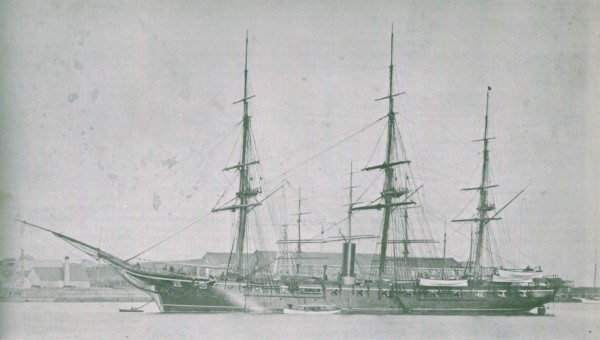 , and a gunboat, the
USS Newport
, and a gunboat, the
USS Newport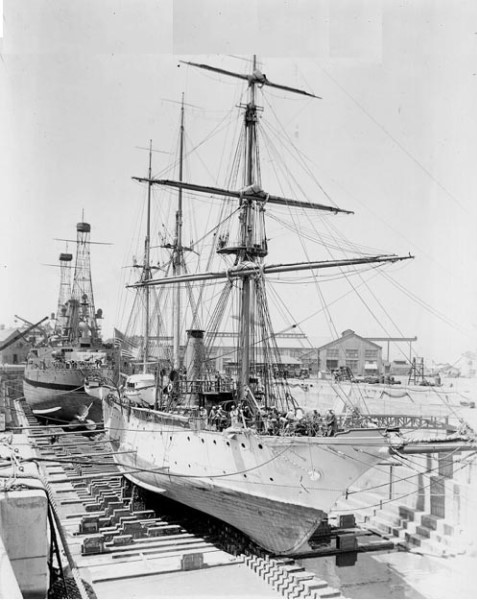 (PG-12)
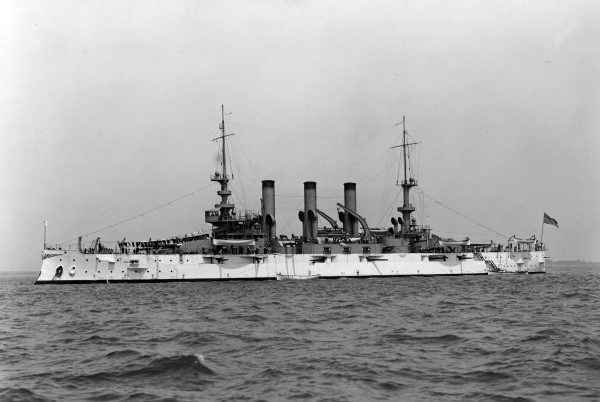 (BB-22)
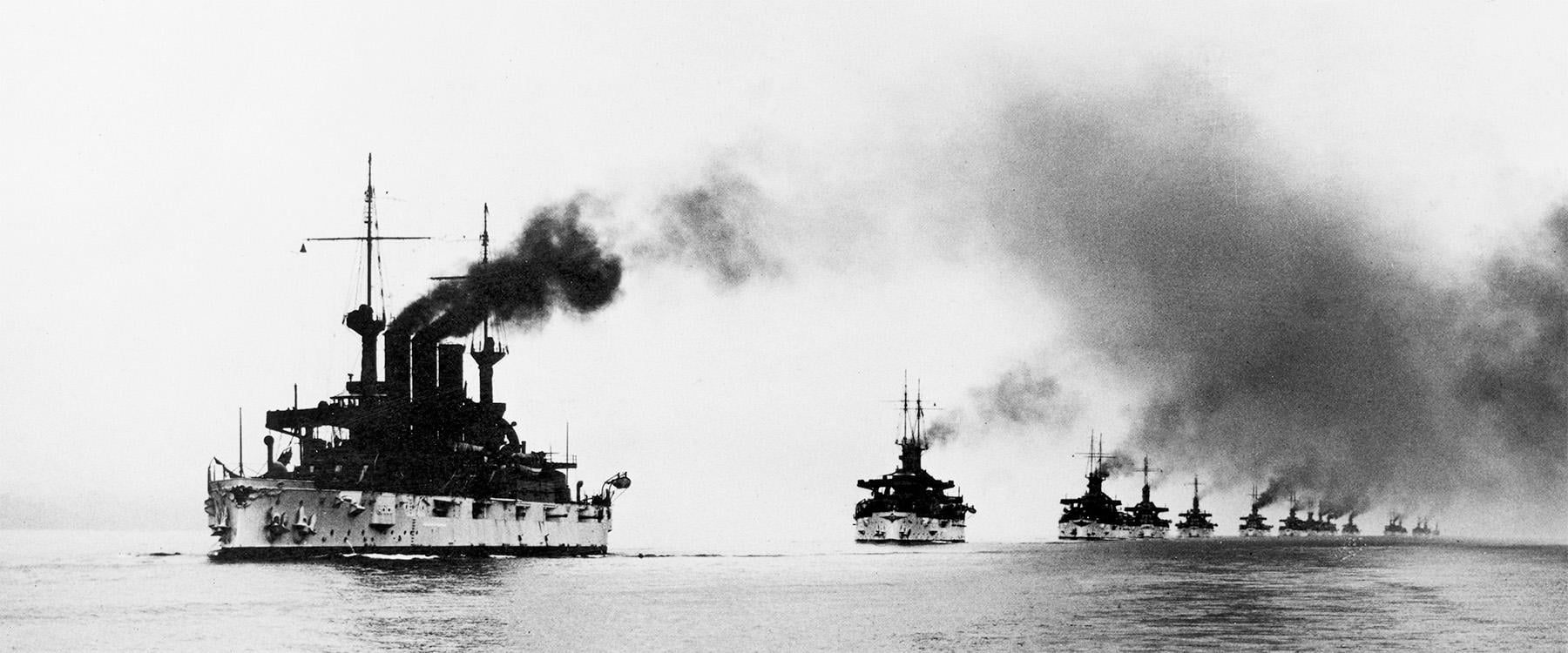 of the “Great White Fleet”.
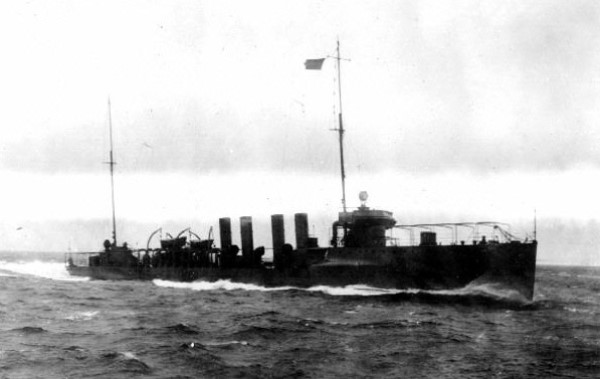 (DD-59)
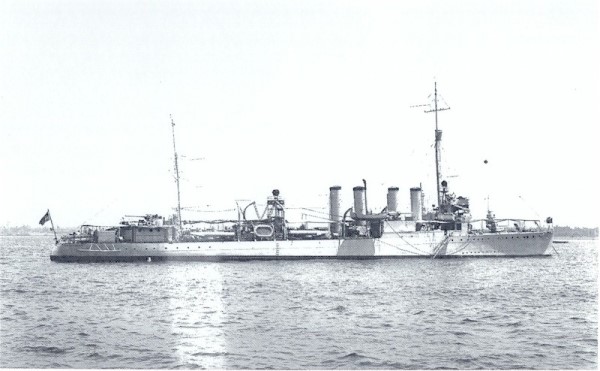 (DD-83)
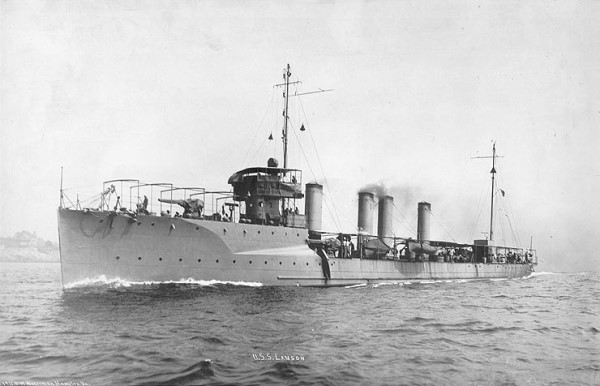 (DD-18)
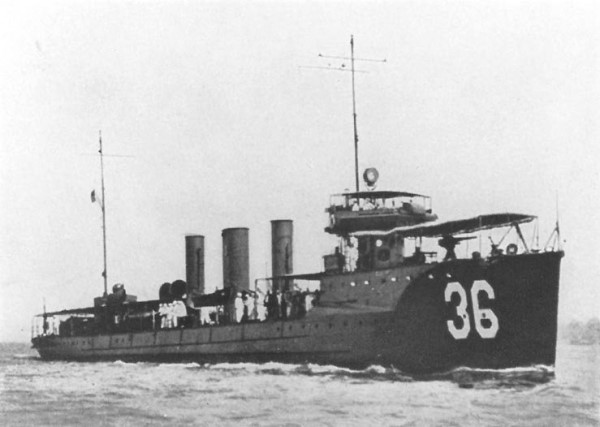 (DD-36)
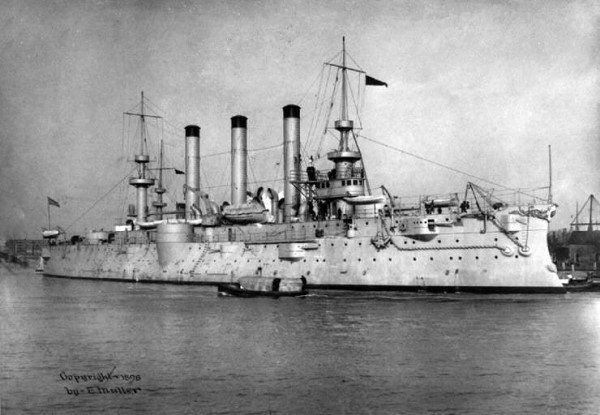 (ACR-3/CA-3)
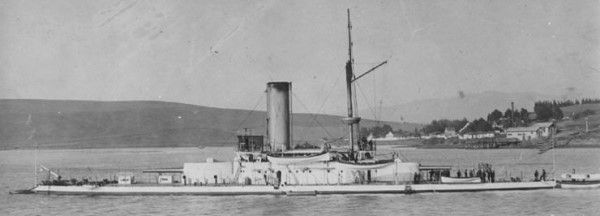 (BM-6)
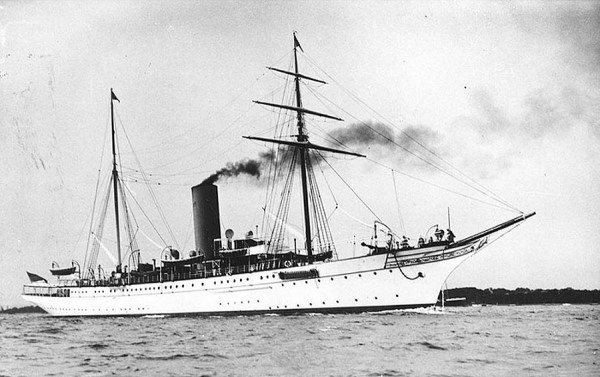 (SP-771),
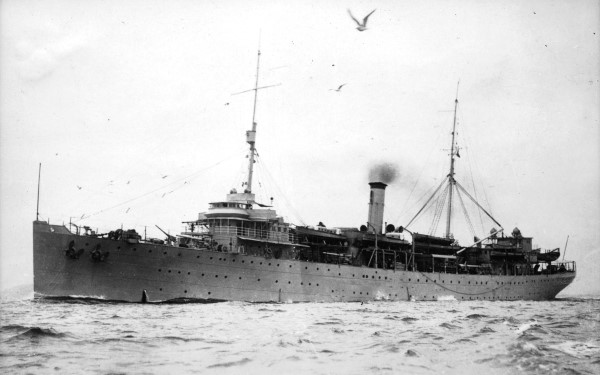 (AD-2)
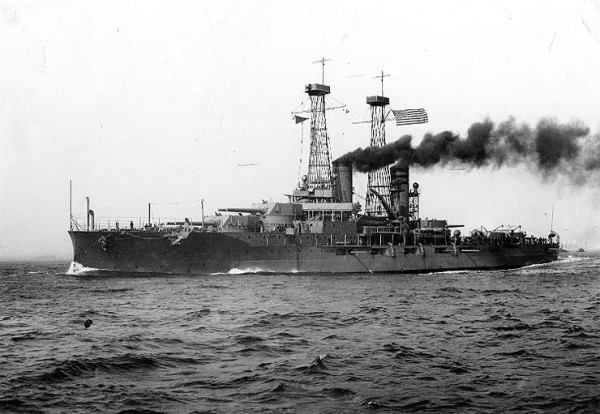 (BB-29)
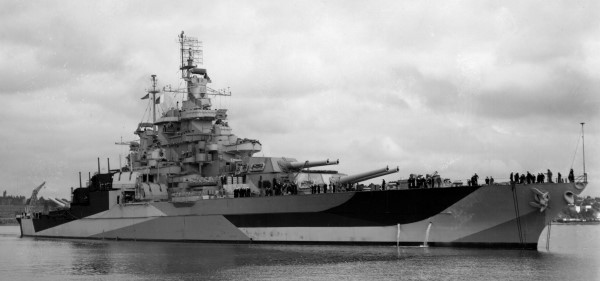 (BB-48)
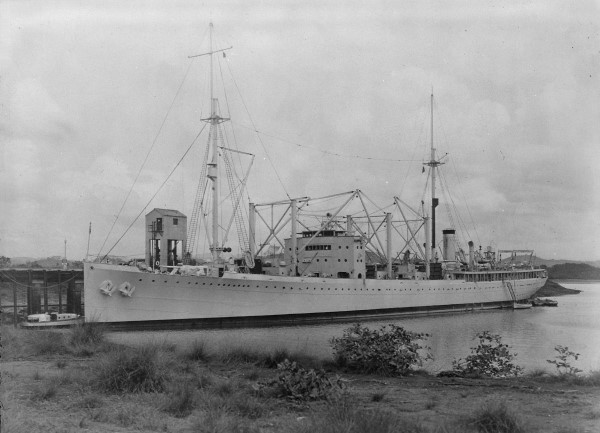 (AE-2)
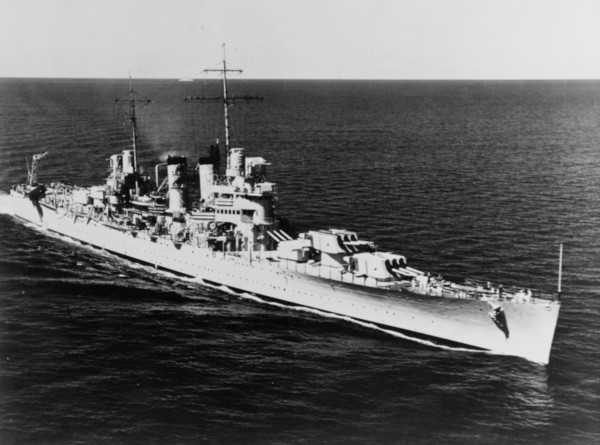 (CL-48)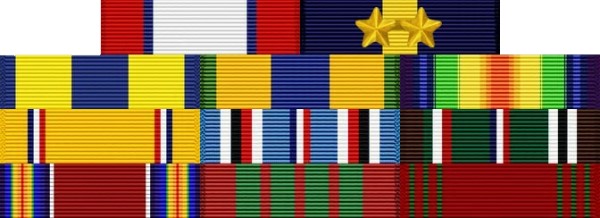

© Copyright USS Stark Memorial